Last Update: 26 August 2025

Clogged drains are a common household nuisance, leading to slow drainage, unpleasant odors, and potential damage. Recognizing early signs like standing water or gurgling sounds is crucial for timely intervention. Many minor blockages can be effectively resolved with simple DIY methods.
Essential tools include plungers, drain snakes, or wire hangers. Natural solutions like baking soda and vinegar, or hot water with dish soap, are excellent for dissolving grease and soap scum without harsh chemicals. The article details various techniques, from the hot water method to using a wet and dry vacuum for stubborn clogs.
Proactive steps such as installing drain strainers, avoiding grease disposal, and regular cleaning with natural ingredients are vital for prevention. However, for persistent or severe issues, professional plumbers like Silver Drains and Plumbing offer specialized services, including pipe relining and efficient blockage clearing, ensuring your plumbing system remains in optimal condition and providing stress-free living.
Remember 2021? According to Australian News, clogged drains were tagged as a common cleaning disaster, attracting 17,300 monthly global searches. Although they might seem trivial, these issues can escalate swiftly, throwing off daily routines and leading to costly repairs. Blocked drains not only smell unpleasant but can also slow down water flow and even cause structural harm to your home.
Nipping blockages in the bud is crucial to prevent serious plumbing headaches. Often, you can tackle minor clogs with easy DIY tricks like plunging, mixing baking soda and vinegar, or simply flushing with hot water. However, if the clog’s stubborn or keeps reappearing, it might be time to ring up the experts to sort it out without damaging your pipes.
Signs Your Drain Is Blocked
Blocked drains often give clear warning signs before they turn into major problems.
Slow drainage in your kitchen or bathroom sink, standing water around your shower drain or sink drain, and unpleasant odours coming from the drain hole are common indicators. Gurgling sounds or water pooling around outdoor drains can also signal a clogged drain.
Food particles, grease, soap scum, hair, and foreign objects often cause these issues. Catching them early and taking action can prevent the drains from getting worse, saving you hefty repair costs and keeping your plumbing in good shape.
Need Help From a Specialist?
Essential Tools and Supplies for DIY Drain Unblocking
Clearing blocked drains at home is easier with the right tools.
A trusty cup plunger is fantastic for clearing sink drains in the bathroom or kitchen. When faced with tougher blockages in metal or PVC pipes, reach for a drain snake or an auger. Meanwhile, baking soda and vinegar provide a natural, chemical-free solution to unblock your drains. Try using boiling water or a hot water and dish soap mix—it can work wonders in dissolving grease and soap build-up right at the drain’s opening.
For tougher clogs, a wire hanger or coat hanger can be used to clear the drain hole. Keep a bucket underneath to catch standing water during the process.
Avoid using dangerous chemicals or commercial drain cleaners frequently, as they can damage your plumbing system. These DIY methods for unblocking drains can effectively unclog minor blockages and prevent future blockages, but persistent issues may require a professional plumber to reline or address broken pipes.
Now, let’s dive into the details of these methods below.
DIY Methods for Unblocking Drains

Hot Water Method
Pouring boiling water down a clogged kitchen drain is a straightforward way to loosen grease and soap scum. This steaming rush breaks down blockages caused by food bits and soap residue in the pipes, making it easier to clear.
Slowly pour half a cup of dish soap followed by boiling water directly into the drain opening to clear a blocked drain. Repeat the process if necessary, ensuring your PVC pipes or metal pipes are not damaged by the heat.
Baking Soda and Vinegar
Using baking soda and vinegar is a natural remedy for unblocking drains. Start by pouring half a cup of baking soda into the clogged drain, followed by an equal amount of vinegar. Let the mixture sit for 30 minutes, allowing it to break down stubborn blockages caused by grease or food debris.
Next, flush out any loosened blockages by pouring hot water down the drain. This method is great for clearing kitchen or bathroom sinks, all without resorting to harsh chemicals.
Plunging Technique
A cup plunger or toilet plunger is a simple and effective tool for unclogging drains. Place the plunger over the drain hole, ensuring a tight seal, and use firm, quick motions to create suction.
This technique can effectively clear stubborn clogged drains caused by soap scum, hair traps, or food scraps. Always keep a bucket underneath to catch any water that may spill during the process.
Using a Drain Snake
A drain snake or drain auger is a handy tool for tackling deeper drain blockages in your plumbing system. Insert the drain snake into the drain opening and gently rotate it to dislodge foreign objects or stubborn blockages. This DIY drain snake method works well for unclogging drains in kitchen or bathroom sinks, stormwater drains, and outdoor drains.
Wire Hanger Hack
A coat hanger or wire hanger can be an effective solution for hair clogs in bathroom sinks or shower drains. Straighten the wire hanger, leaving a small hook at one end, and carefully insert it into the drain opening. Use the hook to remove hair, soap scum, and other debris.
This method is a quick fix for clearing blocked drains and preventing future blockages caused by standing water or hair traps. Avoid using harsh chemicals or chemical drain cleaners, as these can damage your pipes.
Dish Soap and Hot Water
Dish soap, combined with hot water, is highly effective for breaking down greasy build-ups in kitchen sinks. Start by pouring a generous amount of dish soap—about half a cup—into the drain opening.
Follow this with slowly pouring boiling water, ensuring a steady flow to avoid splashing. The combination of dish soap and boiling water works to dissolve grease, food particles, and soap scum clogging the sink drain.
If the clog’s stubborn, let the mixture sit for a bit before pouring more boiling water to clear things out. This technique works wonders for kitchen sinks that get oily, helping prevent future blockages with regular use. Be cautious with boiling water to avoid burns or damaging PVC pipes.
Wet and Dry Vacuum Technique
A wet and dry vacuum is a powerful ally for stubborn blockages. Seal the drain well with the right attachment for strong suction. Turn the vacuum to “wet” mode and go for it. The blockage might be sucked out or pushed through, depending on its nature.
For the best outcome, make sure your vacuum’s settings are just right for the clog you’re tackling. This technique shines when dealing with deeper blockages or foreign objects lodged in stormwater or sink drains. Always stick to the manual’s instructions to avoid any mishaps with the vacuum or your pipes. As an alternative to harsh chemicals, this method offers a safe and effective solution for tough clogs, giving you peace of mind.
Drain Still Blocked? Here's When to Call a Plumber
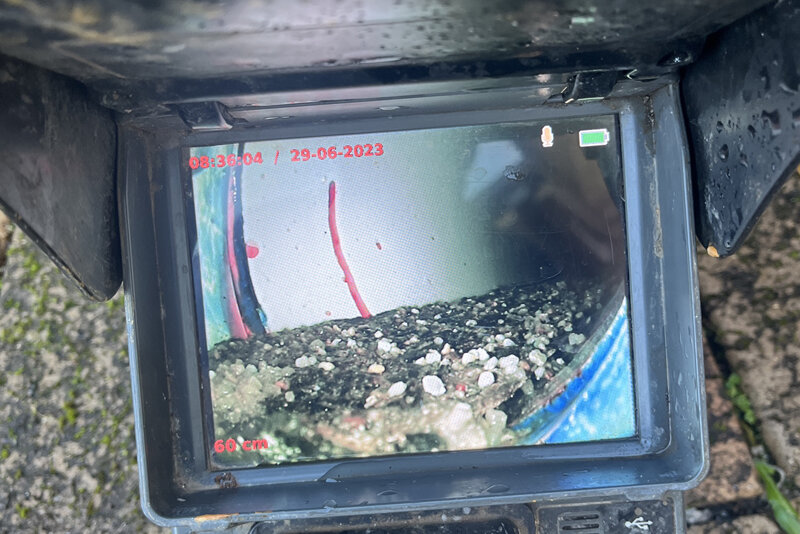
Some minor drain blockages can be cleared with a plunger or basic cleaning methods. However, if water continues to drain slowly, the blockage keeps returning or multiple fixtures are affected, the problem may be further along your drainage system.
The right solution depends on where the blockage is occurring.
Toilet Blocked or Water Rising in the Bowl?
If your toilet won't drain, water rises when you flush or the blockage keeps returning, there may be an obstruction in the toilet trap or drain pipe.
Avoid repeatedly flushing, as this can cause the toilet to overflow.
Silver Drains provides professional blocked toilet plumbing services across the Central Coast to help identify and clear stubborn toilet blockages.
Kitchen or Bathroom Sink Still Draining Slowly?
If your sink remains blocked after removing visible debris, grease, food waste, hair or soap build-up may be restricting water flow further down the pipe.
A plumber can inspect the drain and recommend the appropriate clearing method.
Multiple Drains Blocked at the Same Time?
If your toilet, shower and sink are all draining slowly or wastewater is backing up through multiple fixtures, the problem may be in a shared drain or sewer line.
These blockages often require professional drain-clearing equipment and, in some cases, a CCTV drain inspection to locate the cause.
If DIY methods haven't worked, Silver Drains can help investigate and clear the blockage before it causes further disruption.
Proactive Steps to Avoid Drain Blockages
To prevent blocked drains, develop simple habits like never pouring grease or food scraps down your sink drain. Install drain strainers in your kitchen or bathroom sink to catch food particles, hair, and soap scum before they enter the drainage system.
Regularly clean your pipes with natural ingredients such as baking soda and lemon juice to maintain clear drains. Pouring hot water down your drains weekly can help dissolve grease buildup and keep your drainage system flowing smoothly.
These measures are effective for metal, ceramic, and PVC pipes. Consistent maintenance can prevent stubborn blockages and extend the life of your plumbing system.

5 Signs Your Blocked Drain Needs Professional Attention
While DIY methods can sometimes clear minor clogs, certain drainage problems need more than a plunger or drain snake.
Here are five signs it's time to contact a plumber:
-
The blockage keeps coming back. Recurring clogs may indicate an obstruction further along the pipe or an underlying drainage fault.
-
Water backs up through other drains. If flushing the toilet causes water to rise in the shower, a shared drain or sewer line may be blocked.
-
Your toilet is overflowing. Rising wastewater can create unhygienic conditions and cause damage to your bathroom.
-
You hear gurgling or notice sewage smells. These symptoms may indicate restricted wastewater flow or a drainage problem that needs investigation.
-
DIY methods aren't working. If you've tried suitable methods without success, further attempts may not remove the obstruction.
Silver Drains provides professional drain-clearing services across the Central Coast. Our plumbers can investigate the blockage and use appropriate equipment to help restore normal drainage.
Still dealing with a blocked drain? Call 1300 302 195 to arrange professional assistance.

Tried Unblocking Your Drain Without Success? Call Silver Drains
If you've tried clearing your drain but water is still backing up, the blockage may be deeper in your plumbing system.
Silver Drains helps Central Coast homeowners deal with stubborn blocked drains, overflowing toilets and recurring drainage problems.
Our licensed plumbers can investigate the cause, clear suitable blockages using professional equipment and recommend further repairs where necessary.
Whether you're dealing with a blocked toilet, slow-draining sink or a more serious drainage issue, we're here to help.
Call 1300 302 195 or enquire online to book a plumber.
Published by: Kamran Khan26 August 2025