Last Update: 12 October 2026
A plumbing emergency is any issue that threatens your safety, causes significant property damage or disrupts essential water and sanitation services. Common plumbing emergencies include burst pipes, major water leaks, sewage backups, overflowing toilets and gas leaks. While minor issues like dripping taps or slow drains can often wait, uncontrolled leaks and safety hazards require immediate attention. Knowing when to call an emergency plumber can help prevent further damage, reduce repair costs and keep your home safe.
How Do You Know If Your Plumbing Problem Is an Emergency?
Not every plumbing problem requires immediate attention, but knowing when to act can save you from expensive repairs and serious property damage. From burst pipes and overflowing toilets to gas leaks and blocked drains, some plumbing issues can quickly become dangerous if left untreated.
Understanding what counts as a plumbing emergency helps you decide whether to call an emergency plumber or arrange a regular appointment.
In this guide, we'll explain the most common plumbing emergencies, how to recognise the warning signs and what you can do to protect your home.
How Do You Know If Your Plumbing Problem Is an Emergency?
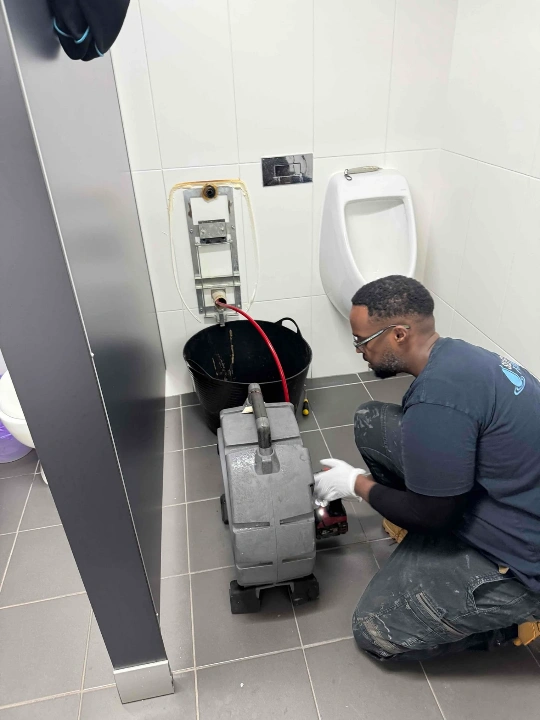
A plumbing emergency is any issue that poses an immediate risk to your safety, property or essential water and sanitation services. While a dripping tap or slow-draining sink might be able to wait, a burst pipe or sewage backup usually needs urgent attention.
The easiest way to assess the situation is to consider three things:
- Safety risks: Could the problem expose someone to gas, sewage, contaminated water or electrical hazards?
- Property damage: Is water escaping uncontrollably or damaging your walls, floors, ceilings or belongings?
- Essential services: Has the problem left your household without safe water or working toilet facilities?
If the answer to any of these questions is yes, you may need emergency plumbing services.
Some plumbing problems also become more serious over time. For example, a small leak beneath your kitchen sink might initially seem manageable, but if water continues spreading into cabinetry or flooring, urgent repairs may be necessary.
When in doubt, contacting a professional plumber can help you understand the urgency of the situation and whether immediate repairs are needed.
What Are the Most Common Plumbing Emergencies?
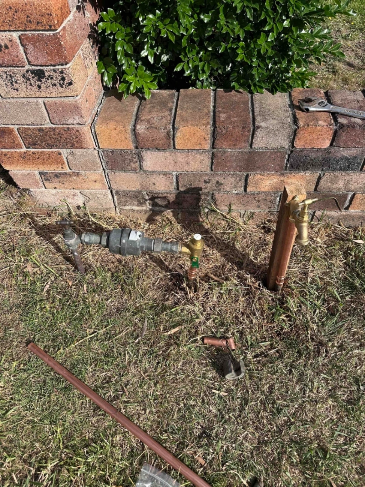
Plumbing emergencies can affect different parts of your home's plumbing system, from water supply pipes to drains and hot water systems. Recognising the warning signs early can help you take the right action before the damage becomes worse.
Here are some of the most common plumbing emergencies homeowners experience.
Burst Pipes and Major Water Leaks
Burst pipes are among the most urgent plumbing problems because they can release large amounts of water in a short time.
Pipes can burst due to corrosion, excessive water pressure, ageing materials or accidental damage. In some cases, the damaged pipe may be hidden behind a wall, beneath flooring or underground.
Common warning signs include:
- Water suddenly pooling inside or around your home
- Damp patches spreading across walls or ceilings
- A noticeable drop in water pressure
- Unusual sounds of running water when taps are turned off
- Water escaping from exposed pipes or fittings
If you suspect a burst pipe, turn off your main water supply if it's safe to do so and contact an emergency plumber.
Even smaller leaks can cause serious damage when left untreated. Professional leak detection can help identify hidden problems and determine whether pipe repair or replacement is necessary.
For more detailed advice, read our guide on What to Do if a Pipe Bursts at Night.
Blocked Drains and Overflowing Toilets
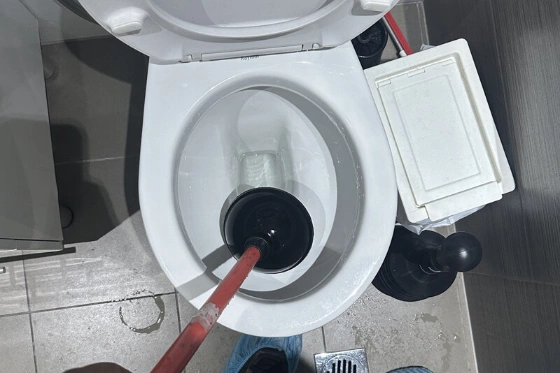
A slow-draining sink or shower isn't always an emergency. However, severe drain blockages can quickly become urgent when wastewater starts backing up into your home.
Blocked drains may result from grease buildup, hair, foreign objects, tree roots or damaged underground pipes.
Signs that a blocked drain requires urgent attention include:
- Wastewater overflowing from toilets, showers or floor drains
- Multiple sinks or fixtures becoming blocked at the same time
- Sewage smells coming from drains
- Gurgling sounds when flushing toilets or running taps
- Dirty water backing up into your home
If sewage is overflowing, stop using the affected plumbing fixtures and keep people and pets away from contaminated areas.
Avoid using chemical drain cleaners or repeatedly flushing blocked toilets, as this may make the situation worse.
An emergency plumber can investigate the blockage and recommend suitable plumbing solutions, such as drain clearing, CCTV inspections or repairs to damaged pipes.
Gas Leaks and Emergency Gas Plumbing
Gas leaks are particularly serious because escaping gas can create fire, explosion and health risks.
A gas leak may occur due to damaged gas pipes, faulty connections or problems with gas appliances.
Possible warning signs include:
- A strong gas or rotten egg smell
- Hissing sounds near gas pipes or appliances
- Visible damage to gas fittings
- Unusual appliance behaviour
If you suspect a gas leak, leave the affected area immediately. Do not use flames, electrical switches or appliances. Contact your gas emergency provider from a safe location, and call 000 if there is immediate danger.
Never attempt DIY gas fitting or gas plumbing repairs. Gas-related work must be completed by appropriately licensed professionals.
Hot Water System Failures
Not every hot water problem requires emergency repairs. However, some hot water system failures can pose safety risks or cause significant water damage.
For example, a hot water system that suddenly stops heating may be inconvenient, but a leaking tank or dangerously overheating unit may require urgent professional attention.
Warning signs of a serious hot water problem include:
- Water leaking heavily from the hot water system
- Unusual banging or rumbling noises
- Water becoming excessively hot
- Visible damage to the tank or connections
- Signs of an electrical or gas fault
If your hot water system is leaking or appears unsafe, stop using it and contact a qualified professional. Avoid opening electrical components or attempting gas repairs yourself.
Depending on the problem, a plumber may recommend hot water repairs or replacement.
For more information, see our guide on Hot Water System Not Working? Causes, Fixes & When to Call a Plumber.
Sewer Backups and Damaged Pipes
A sewer backup occurs when wastewater cannot flow properly through the drainage system and begins returning through toilets, showers or floor drains.
This is considered a plumbing emergency because sewage can contain harmful bacteria and other contaminants.
Common causes include tree root intrusion, severe blockages, collapsed pipes and damaged sewer connections.
If sewage begins backing up into your property:
- Stop using toilets, sinks, showers and other connected fixtures.
- Keep children and pets away from affected areas.
- Avoid direct contact with contaminated water.
- Contact a professional plumber to investigate the problem.
A plumber may use CCTV drain inspection equipment to locate the obstruction or identify damaged sections of pipework.
Addressing the underlying cause is important for reducing the risk of recurring blockages and further property damage.
Which Plumbing Problems Can Wait for Regular Repairs?
Not every plumbing issue requires an emergency plumber. Some problems can be managed safely until a regular plumbing appointment, provided they aren't causing ongoing damage or creating safety risks.
Common plumbing problems that may not require urgent repairs include:
- Dripping taps: A slow drip usually isn't an emergency, but it can waste water and increase your bills over time.
- Slow-draining sinks: A minor blockage affecting one fixture can often wait, as long as wastewater isn't overflowing.
- Running toilets: A toilet that continues running after flushing may need a replacement component, but it isn't usually urgent if the water remains contained.
- Minor water leaks: A small leak may be able to wait if the water can be safely isolated and no further damage is occurring.
- Routine plumbing maintenance: General inspections, fixture replacements and preventative servicing can usually be scheduled during normal business hours.
However, even minor plumbing issues can become emergencies if they worsen. A dripping tap is very different from a broken tap that won't stop releasing water.
The key is whether the problem is contained, safe and unlikely to cause further damage. If you're unsure, contact a local plumber for advice.
What Should You Do While Waiting for an Emergency Plumber?
Taking a few simple precautions can help protect your property while waiting for professional emergency help.
Turn Off Your Main Water Supply
If you're dealing with burst pipes or a major water leak, locate your main water shut-off valve and turn it off if safe to do so.
For many Australian homes, the valve is located near the water meter at the front of the property.
Turning off the water can help prevent additional flooding until repairs can be completed.
Avoid Using Blocked Drains and Toilets
If wastewater is backing up through your drains, stop using connected sinks, showers and toilets.
Continuing to run water may cause the blockage to overflow and spread contaminated wastewater throughout your home.
Keep Clear of Electrical Hazards
Water and electricity are a dangerous combination. If flooding has reached electrical outlets, appliances or wiring, stay away from the affected area.
Do not touch electrical switches or equipment near standing water. Contact a licensed electrician if electrical components may have been affected.
Document Any Visible Damage
If it's safe, take photos of damaged pipes, water leaks or affected areas before repairs begin.
These photos may be useful when explaining the problem to your plumber or discussing property damage with your insurer.
When Should You Call an Emergency Plumber?
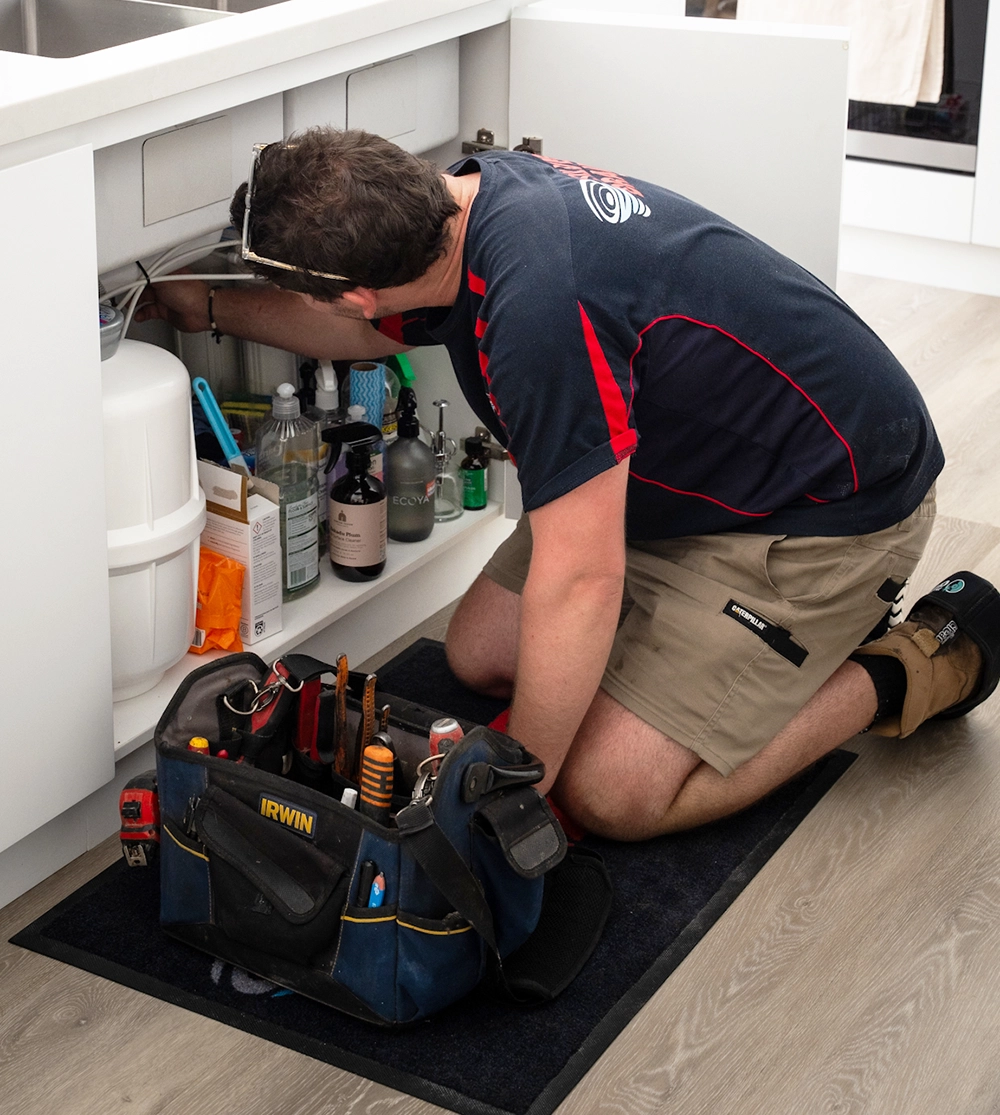
If a plumbing problem is putting your safety at risk, causing uncontrolled water damage or making essential plumbing facilities unusable, it's time to seek professional help.
An emergency plumber can assess the situation, identify the cause and recommend appropriate plumbing solutions.
You should consider calling for urgent assistance when:
- A burst pipe is flooding your home.
- Sewage is overflowing from toilets or drains.
- A major water leak cannot be safely contained.
- Your only working toilet is blocked and unusable.
- A damaged hot water system is leaking heavily or appears unsafe.
- Underground pipes are damaged and causing wastewater or water to escape.
For suspected gas leaks, evacuate and contact your gas emergency provider first.
When choosing a plumber, look for appropriately licensed plumbers with experience handling the type of emergency you're experiencing.
If you need emergency plumbing services on the Central Coast, Silver Drains can help assess urgent plumbing problems and arrange suitable repairs.
How Can Regular Plumbing Maintenance Prevent Emergencies?
While some plumbing emergencies happen unexpectedly, regular maintenance can help identify problems before they become serious.
Simple preventative steps include:
- Check for water leaks: Look for damp patches, dripping taps and water collecting around fixtures.
- Keep drains clear: Avoid putting cooking grease, food scraps and unsuitable items down sinks or toilets.
- Monitor water pressure: Unusually high water pressure can place unnecessary strain on pipes and fittings.
- Maintain hot water systems: Follow manufacturer servicing recommendations and arrange professional inspections when problems appear.
- Watch for drainage warning signs: Repeated blockages, unpleasant smells and slow drainage may indicate an underlying issue.
If you notice recurring plumbing issues, arranging an inspection can help identify the cause before urgent repairs become necessary.
Preventative plumbing maintenance can also help extend the life of your plumbing systems and reduce unexpected disruptions.
Frequently Asked Questions About Emergency Plumbing
Is a Blocked Toilet a Plumbing Emergency?
A blocked toilet may be an emergency if sewage is overflowing, wastewater is backing up into other fixtures or it's the only usable toilet in your home.
If you have another working toilet and the blockage is contained, you may be able to arrange a regular plumbing appointment.
Is Having No Hot Water Considered an Emergency?
Losing hot water isn't always a plumbing emergency. However, a hot water system that's leaking heavily, overheating or showing signs of an electrical or gas fault requires prompt professional attention.
Households with essential hot water needs may also require more urgent assistance.
Can a Small Water Leak Become a Plumbing Emergency?
Yes. Even a small water leak can cause damage if it continues unnoticed.
Leaks inside walls, beneath floors or near electrical components can become particularly serious. If the leak is spreading or cannot be safely contained, contact a plumber.
Do I Need an Emergency Plumber at Night?
It depends on the severity of the problem.
A dripping tap may be able to wait until morning, but a burst pipe, sewage overflow or major uncontrolled water leak may require after-hours emergency plumbing assistance.
If you're unsure, contact a plumber to discuss the situation and determine the appropriate next steps.
Need Emergency Plumbing Help on the Central Coast?
Knowing what counts as a plumbing emergency can help you act quickly, protect your property and avoid unnecessary damage.
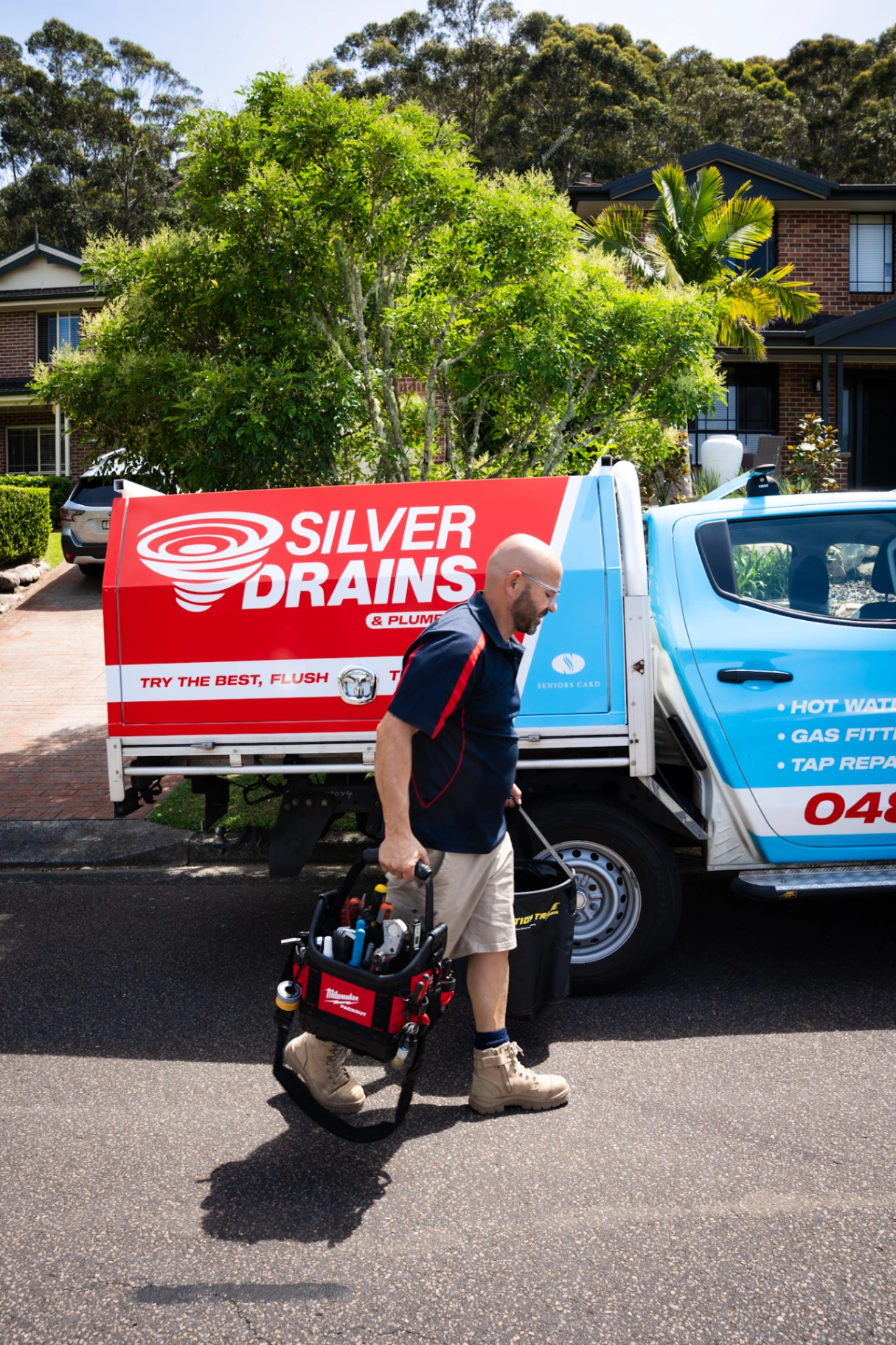
Whether you're dealing with burst pipes, blocked drains, overflowing toilets or unexpected water leaks, Silver Drains provides professional emergency plumbing services across the Central Coast.
Our team can investigate the issue, explain your repair options and help you find a practical solution.
Need an emergency plumber? Call Silver Drains on 0480 020 848 or complete our booking form below to request plumbing assistance.
Published by: Kamran Khan12 October 2026