Last Update: 12 October 2026
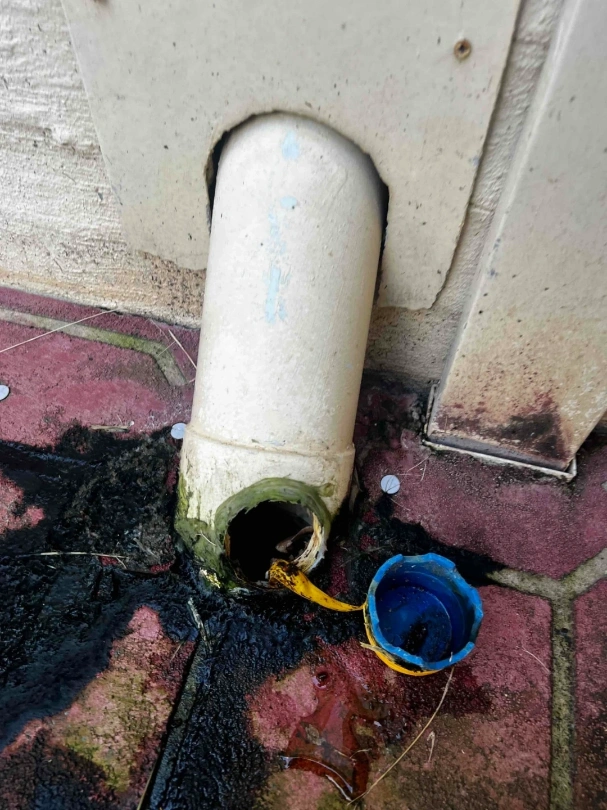
A blocked drain becomes a plumbing emergency when it causes sewage backups, overflowing wastewater, significant property damage or prevents essential plumbing facilities from working. Warning signs include multiple blocked drains, overflowing toilets, sewage smells, and wastewater backing up into showers or sinks. While minor blockages may be able to wait, severe drainage problems require urgent attention. Stop using affected fixtures, avoid chemical drain cleaners and contact an emergency plumber if sewage is overflowing or the blockage cannot be safely contained.
How Do You Know If a Blocked Drain Needs Urgent Attention?
A blocked drain can be frustrating, but is it always a plumbing emergency? While a slow-draining sink or shower may not need immediate attention, severe blockages can lead to sewage backups, flooding and costly property damage.
Knowing when a blocked drain becomes an emergency can help you act quickly and avoid making the problem worse. From overflowing toilets to wastewater backing up through multiple drains, certain warning signs shouldn't be ignored.
In this guide, we'll explain when blocked drains require urgent plumbing assistance, the signs to watch for and what you should do to protect your home.
When Is a Blocked Drain Considered a Plumbing Emergency?
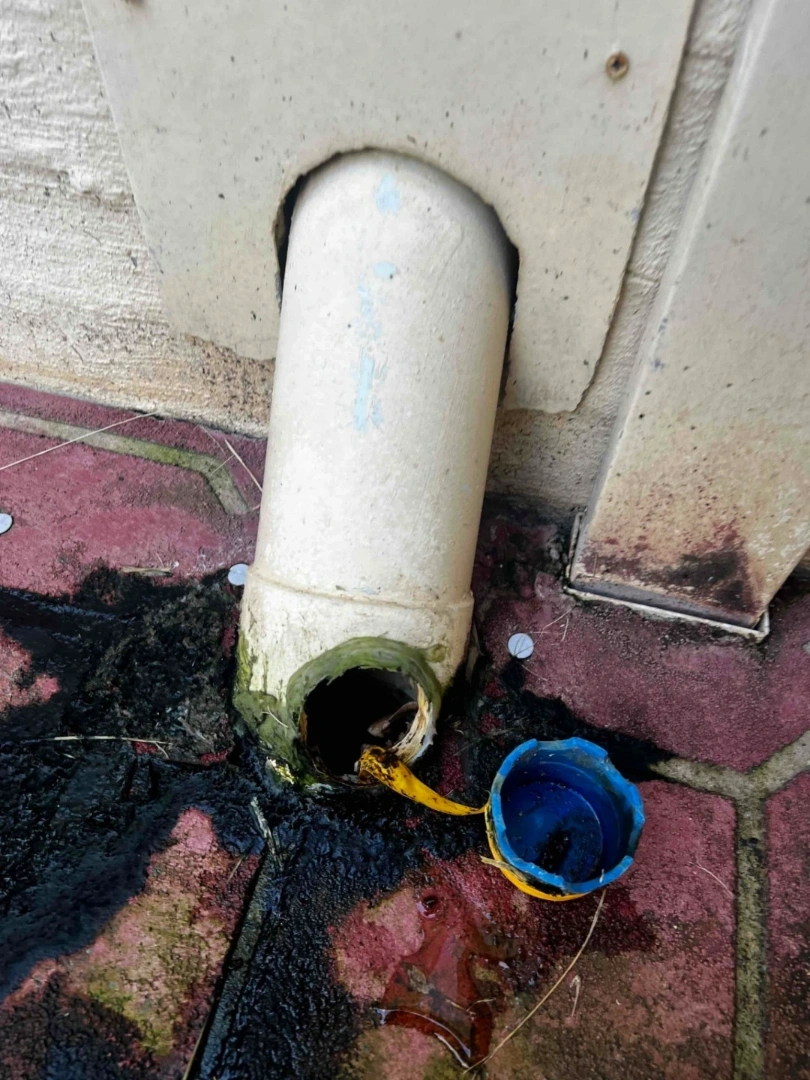
A blocked drain becomes a plumbing emergency when it creates a health risk, causes wastewater to overflow or prevents you from using essential plumbing facilities.
Not every blockage requires an emergency plumber. For example, a bathroom sink that's draining slowly may be suitable for a regular plumbing appointment. However, if sewage starts backing up into your shower or toilet, the problem needs urgent attention.
There are three main situations where a blocked drain may require emergency plumbing services:
- Sewage contamination: Wastewater backing up into your home can expose your household to harmful bacteria and other contaminants.
- Property damage: Overflowing drains can damage flooring, walls, cabinetry and belongings, particularly when the water cannot be contained.
- Loss of essential facilities: If your only toilet is blocked or multiple drains are unusable, you may need urgent plumbing assistance.
The severity of the blockage, rather than simply how slowly water drains, determines how quickly you should act.
What Are the Warning Signs of an Emergency Blocked Drain?
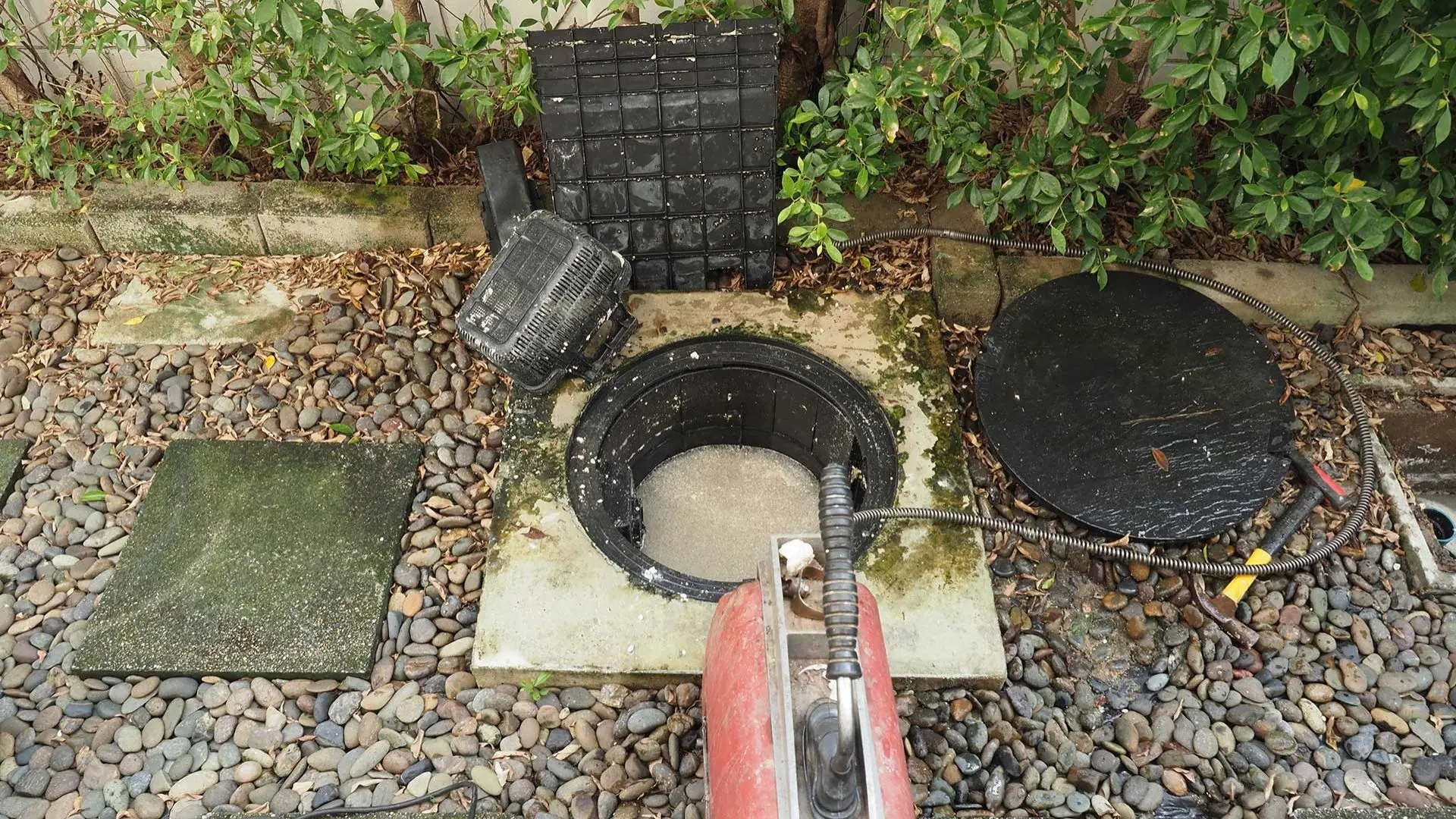
Blocked drains often develop gradually, but some warning signs suggest a more serious problem within your plumbing system.
Recognising these symptoms early can help you prevent significant water damage and avoid further disruption to your home.
Sewage Backing Up Into Toilets, Showers or Sinks
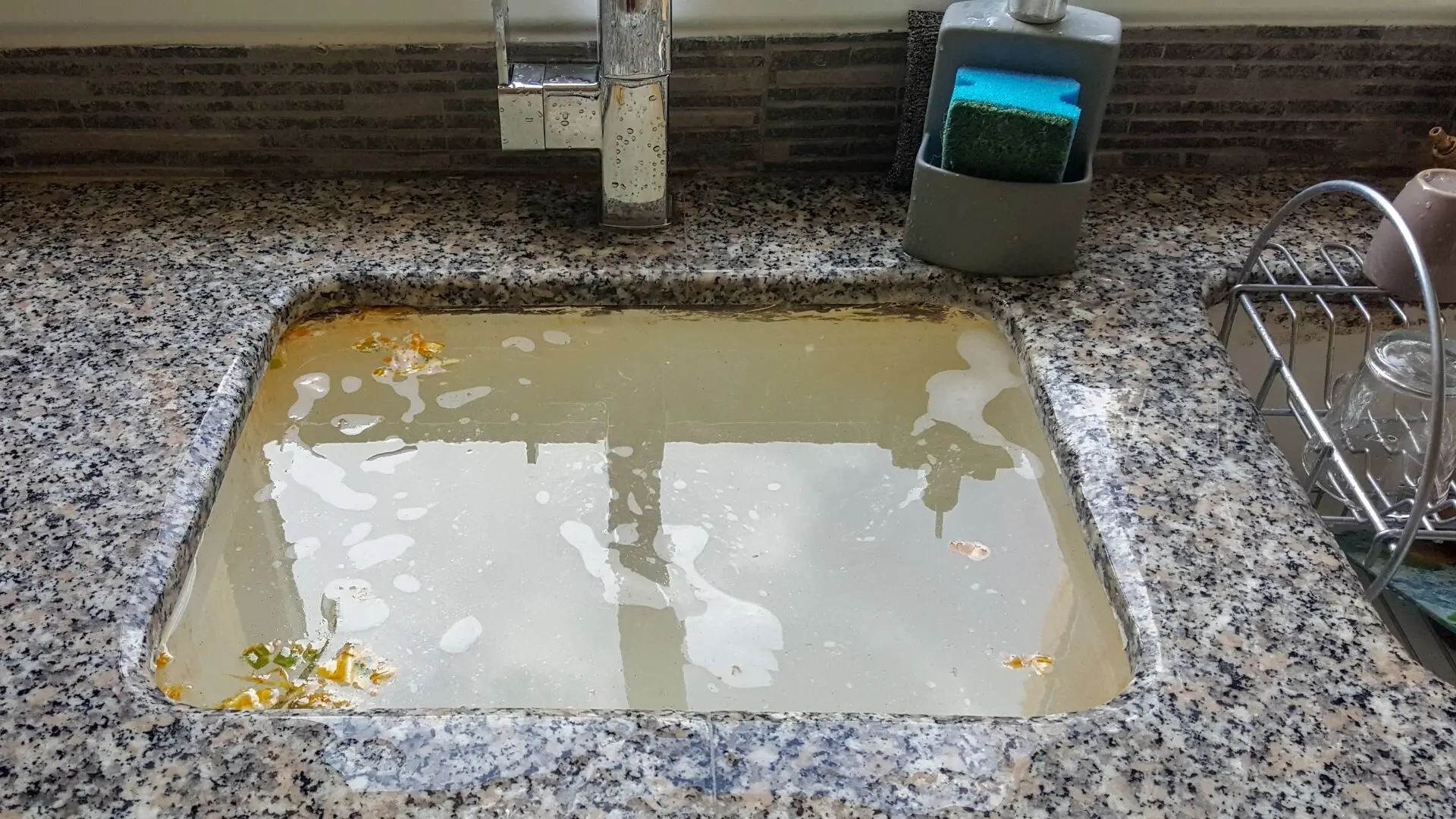
Sewage backing up into your home is one of the clearest signs of an emergency drain blockage.
When wastewater cannot flow through the sewer pipes, it may return through lower plumbing fixtures such as showers, floor drains or toilets.
You might notice dirty water appearing in your shower when you flush the toilet, or wastewater rising through a floor drain when the washing machine empties.
This can indicate a serious blockage in the main sewer line.
If sewage is entering your home, stop using connected plumbing fixtures immediately. Keep children and pets away from contaminated areas and contact an emergency plumber.
Multiple Drains Blocked at the Same Time
If several drains become blocked at once, the problem may be deeper within your property's drainage system.
For example, your kitchen sink might drain slowly while your toilet makes gurgling sounds and your shower begins filling with water.
When multiple fixtures are affected, the blockage may be located in a shared drain or main sewer line rather than an individual pipe.
Common causes include:
- Tree roots growing into underground pipes
- Grease and debris accumulating inside sewer lines
- Damaged, cracked or collapsed drainage pipes
- Foreign objects obstructing the flow of wastewater
A professional plumber can investigate the issue and determine whether drain clearing, CCTV inspection or pipe repair is required.
Overflowing Toilets and Wastewater Flooding
An overflowing toilet can quickly become a plumbing emergency, especially when wastewater spreads across bathroom floors or into surrounding rooms.
Toilet blockages may be caused by excessive toilet paper, unsuitable flushed items or problems further down the sewer line.
If your toilet begins overflowing:
- Stop flushing immediately.
- Turn off the toilet's water supply valve if safe and accessible.
- Keep people away from contaminated wastewater.
- Avoid using nearby plumbing fixtures if you suspect a shared drain blockage.
- Contact a plumber if the overflow cannot be safely contained.
If wastewater has already reached flooring, walls or other living areas, prompt attention can help reduce further damage.
Strong Sewage Smells and Gurgling Pipes
Unpleasant smells and unusual noises from your drains can be early warning signs of a developing blockage.
Gurgling sounds may occur when trapped air struggles to move through partially obstructed pipes. Strong sewage odours can indicate drainage problems, although they may also have other causes, such as a dry drain trap.
These symptoms don't always mean you need an emergency callout. However, they should be investigated, particularly if they're accompanied by slow drainage, rising wastewater or multiple blocked fixtures.
If sewage smells are persistent or several drains are affected, arranging a professional inspection can help identify the underlying plumbing issue before it becomes more serious.
What Should You Do Immediately if Your Drain Is Blocked?
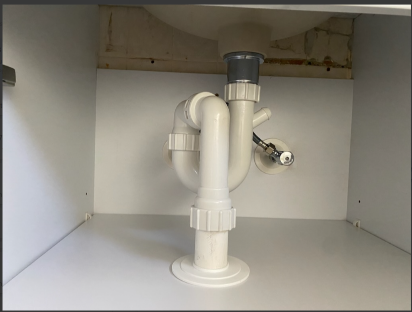
If you suspect a serious drain blockage, taking the right precautions can help prevent further flooding and protect your household.
Here's what to do while arranging professional plumbing assistance.
- Stop Using Affected Plumbing Fixtures
Avoid running taps, flushing toilets or using appliances connected to the blocked drainage system. Adding more water can increase pressure on the blockage and cause wastewater to overflow.
- Keep Away From Contaminated Water
If sewage has entered your home, avoid direct contact with the wastewater. Keep children and pets away from affected areas, as sewage may contain harmful bacteria and other contaminants.
- Avoid Chemical Drain Cleaners
Chemical drain cleaners may not resolve serious blockages and can create additional hazards for anyone working on the pipes. Avoid using them when wastewater is backing up or the cause of the blockage is unknown.
- Don't Keep Flushing an Overflowing Toilet
Repeatedly flushing a blocked toilet can cause more water to spill onto the floor. If the toilet continues filling, turn off its water supply valve if it's safe to do so.
- Contact an Emergency Plumber When Necessary
If sewage is backing up, wastewater is flooding your home or essential plumbing facilities are unusable, contact a professional plumber for urgent assistance.
A plumber can assess the blockage, identify the cause and recommend appropriate repairs to restore proper drainage.
Can a Blocked Drain Cause Significant Water Damage?
Yes, a severely blocked drain can cause significant water damage, particularly when wastewater overflows into your home.
When water cannot flow through the drainage system, it may back up through toilets, showers, sinks or floor drains. If left untreated, overflowing wastewater can spread across flooring, soak into carpets and damage walls, cabinetry and other building materials.
Sewage backups are especially concerning because contaminated water can carry harmful bacteria and create additional cleaning and restoration costs.
The longer wastewater remains inside your property, the greater the risk of damage. Even after the blockage is cleared, affected materials may require professional cleaning or replacement.
If water is overflowing from your drains, stop using connected plumbing fixtures and seek professional assistance. Acting quickly can help limit the damage and prevent the situation from becoming more serious.
When Should You Call an Emergency Plumber for Blocked Drains?
Not every blocked drain needs an emergency callout. However, some situations require urgent attention to protect your property and keep your plumbing safe to use.
You should consider calling an emergency plumber when:
- Sewage is backing up: Wastewater is entering your home through toilets, showers or floor drains.
- Multiple drains are blocked: Several plumbing fixtures are affected, suggesting a possible blockage in the main sewer line.
- Your only toilet is unusable: A severe blockage has left your household without essential toilet facilities.
- Wastewater is flooding your property: Water is overflowing and cannot be safely contained.
- The blockage keeps returning: Repeated blockages may indicate damaged pipes, tree root intrusion or another underlying drainage issue.
A professional plumber can inspect the drainage system and identify the cause of the blockage.
Depending on the problem, repairs may involve high-pressure water jetting, CCTV drain inspections, pipe repair or replacement of damaged sections.
If the blockage is contained and no immediate damage is occurring, a regular plumbing appointment may be suitable.
The important thing is to assess the urgency of the situation rather than waiting for a minor plumbing problem to become an emergency.
How Can You Prevent Blocked Drain Emergencies?
While some drainage problems happen unexpectedly, simple maintenance habits can help reduce the risk of serious blockages.
Here are a few practical ways to keep your drains working properly:
- Keep grease out of kitchen sinks: Cooking oils and fats can cool and harden inside pipes, gradually restricting water flow.
- Only flush toilet paper: Wet wipes, sanitary products and other foreign objects can cause serious toilet and sewer blockages.
- Use drain strainers: Catching hair, food scraps and debris before they enter your drains can help prevent buildup.
- Pay attention to slow drainage: Sinks, showers and toilets that regularly drain slowly may indicate a developing blockage.
- Don't ignore recurring problems: Frequent blockages, gurgling pipes or unpleasant sewage smells may require professional investigation.
- Arrange drainage inspections when needed: CCTV drain inspections can help identify hidden damage, tree roots or obstructions inside underground pipes.
Regular drain maintenance and early attention to warning signs can help prevent unexpected plumbing emergencies and costly repairs.
For more practical advice, read our guide on How to Prevent Drain Blockages.
Frequently Asked Questions About Emergency Blocked Drains
Is a Blocked Toilet Always a Plumbing Emergency?
No. A blocked toilet isn't always an emergency, especially if the blockage is contained and you have another working toilet.
However, if sewage is overflowing, wastewater is backing up into other fixtures or your only toilet is unusable, you may need urgent plumbing assistance.
Can a Blocked Drain Wait Until the Next Day?
A minor blockage may be able to wait until the next day if water isn't overflowing and the affected fixture can be left unused.
However, sewage backups, uncontrolled wastewater or multiple blocked drains should be assessed promptly to reduce the risk of property damage.
Is Sewage Backing Up Into My Shower an Emergency?
Yes. Sewage backing up into your shower is a serious warning sign that may indicate a blockage in the main sewer line.
Stop using connected plumbing fixtures, avoid contact with contaminated water and contact an emergency plumber to investigate the problem.
Can Tree Roots Cause an Emergency Drain Blockage?
Yes. Tree roots can enter underground pipes through cracks or damaged joints, gradually restricting wastewater flow.
As roots grow, they can trap debris and eventually cause severe blockages or sewage backups.
A CCTV drain inspection can help identify root intrusion and determine whether drain clearing or pipe repairs are necessary.
Should I Call a Plumber if Multiple Drains Are Blocked?
Yes. When several drains are blocked at the same time, the problem may involve a shared drainage pipe or main sewer line.
A professional plumber can investigate the drainage system and recommend suitable repairs before the blockage causes further problems.
Need an Emergency Plumber for Blocked Drains on the Central Coast?
A blocked drain can quickly become a serious plumbing emergency when sewage starts backing up or wastewater threatens your property.
Silver Drains provides professional emergency plumbing and blocked drain services across the Central Coast. From stubborn blockages to damaged sewer pipes, our team can investigate the problem and recommend practical, long-term drainage solutions.
Need urgent help with a blocked drain? Call Silver Drains on 0480 020 848 or complete our booking form below to request a service.
Published by: 12 October 2026