Last Update: 3 November 2026

CCTV drain inspections allow plumbers to identify hidden drainage problems using specialised cameras that travel through sewer lines, stormwater drains and underground pipes. This technology provides a detailed view of pipe interiors, helping detect blockages, tree root intrusion, cracks and structural damage without immediately requiring excavation.
Whether you're dealing with recurring blocked drains or investigating the condition of underground pipework, a CCTV drain camera inspection can help identify the cause and determine the most appropriate solution
What Is a CCTV Drain Inspection?
A CCTV drain inspection is a plumbing diagnostic process that uses a specialised waterproof camera to examine the internal condition of sewer pipes, stormwater drains and underground drainage systems.
The camera transmits real-time footage to a monitor, allowing a plumber to identify blockages, damaged pipe sections, displaced joints and other issues that aren't visible from the surface.
Unlike traditional investigation methods that may involve digging to locate underground drainage problems, CCTV technology allows plumbers to inspect accessible pipes internally with minimal disruption.
A CCTV pipe inspection can help identify:
-
Tree roots growing inside drainage pipes
-
Cracked, broken or collapsed pipe sections
-
Grease, debris and foreign object blockages
-
Displaced or misaligned pipe joints
-
Pipe corrosion and deterioration
-
Structural problems contributing to recurring drainage issues
By identifying the location and nature of a problem, CCTV drain inspections help plumbers determine whether cleaning, repairs or further investigation may be necessary.
For homeowners experiencing persistent drainage problems, professional CCTV drain inspection services can provide valuable insight into what's happening underground.
Technology Behind CCTV Drain Cameras
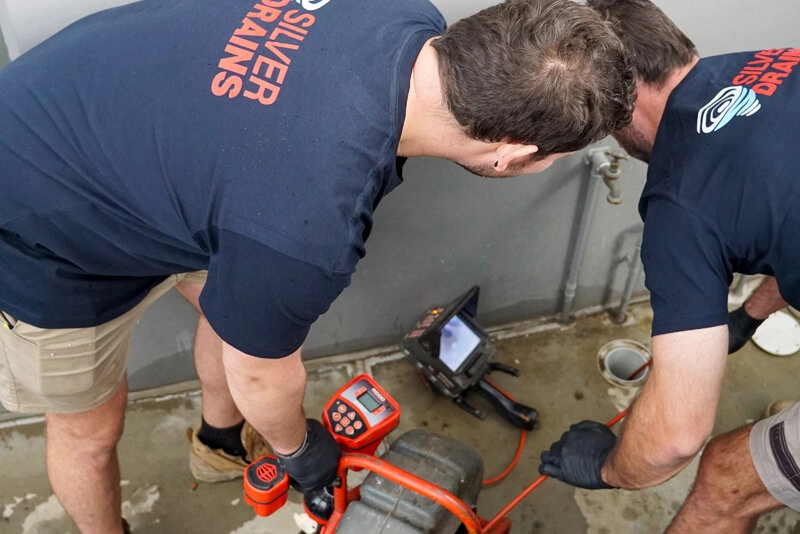
Modern CCTV drain cameras use high-resolution video technology to capture detailed images of the inside of drainage pipes.
These specialised cameras are designed to travel through accessible pipework, providing plumbers with a clear view of obstructions, joints and visible structural defects.
Many systems feature waterproof cameras, built-in lighting and flexible cables that allow technicians to navigate bends and changes in pipe direction.
The live footage helps plumbers accurately assess drainage problems and determine whether additional cleaning or repairs are required.
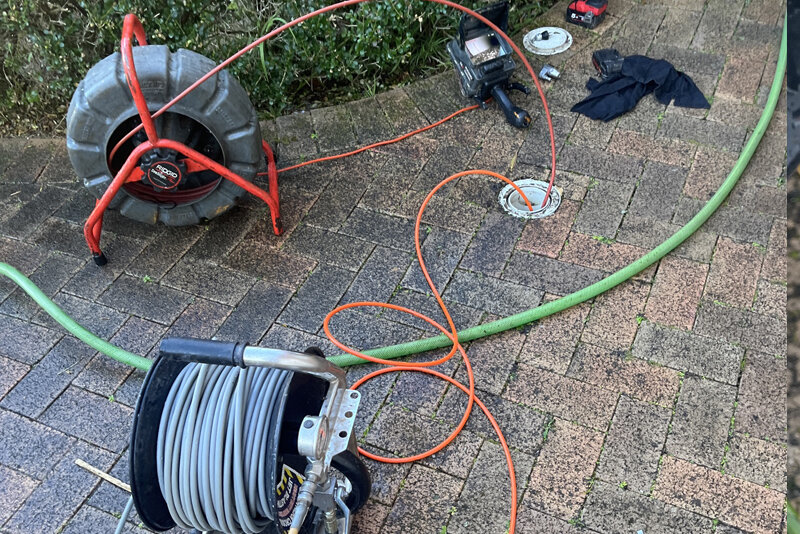
Components of a CCTV Drain Inspection Setup
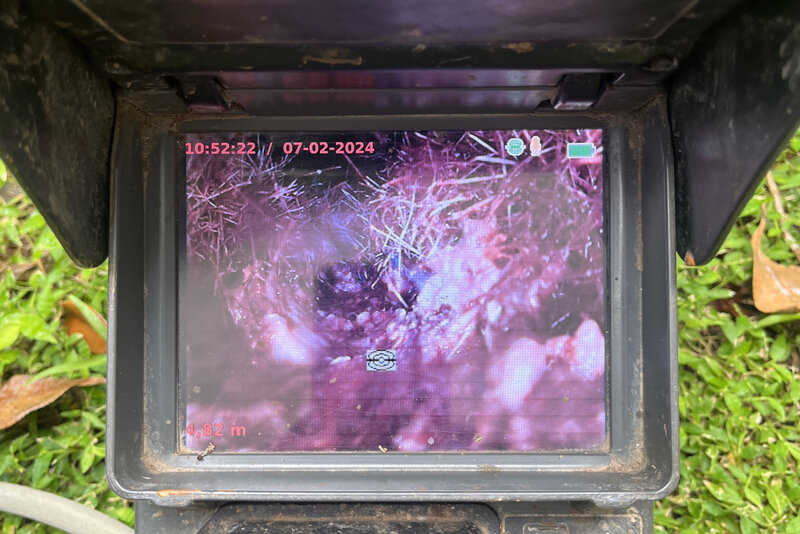
A standard CCTV drain inspection system includes several important components:
-
Inspection camera: A waterproof camera designed to capture footage inside drainage pipes.
-
Flexible cable or push rod: Allows the camera to travel through accessible sections of pipework.
-
LED lighting: Illuminates the inside of dark pipes so blockages and defects can be seen.
-
Video monitor: Displays live footage for the plumber to examine.
-
Recording equipment: Allows footage to be saved for future reference, where available.
-
Pipe locating equipment: May help identify the position of underground defects.
Together, these components allow plumbers to investigate drainage problems and assess the condition of underground pipes without unnecessary exploratory excavation.
How Do CCTV Drain Inspections Work?
A CCTV drainage inspection involves inserting a specialised camera into a drainage pipe and reviewing the footage to identify blockages, damage or other plumbing concerns.
The process is generally straightforward, although the time and equipment required depend on the accessibility and condition of the drainage system.
Step 1: Locating the Drainage Pipes
The plumber begins by assessing the drainage problem and identifying suitable access points.
This may involve discussing symptoms such as recurring blockages, slow drainage, unpleasant odours or previous plumbing repairs.
Understanding these issues helps determine which sections of the drainage system require inspection.
Step 2: Inserting the CCTV Drain Camera
A waterproof CCTV camera is inserted through an accessible inspection opening or drainage pipe.
The camera is carefully guided through the system, transmitting real-time footage to a monitor.
Depending on the property, the inspection may involve sewer pipes, stormwater drains or other accessible underground drainage systems.
Step 3: Capturing and Analysing Footage
As the camera travels through the pipework, the plumber examines the footage for visible signs of blockages, deterioration or structural damage.
Common findings include tree root intrusion, cracked pipes, debris accumulation, displaced joints and collapsed pipe sections.
Where available, footage may also be recorded for further analysis or future reference.
Step 4: Identifying the Cause of Drainage Problems
An experienced plumber interprets the inspection footage to determine the likely cause of the drainage issue.
For example, a recurring blockage may be caused by tree roots entering a damaged joint rather than a simple build-up of waste.
Identifying the underlying problem helps avoid repeatedly treating the symptoms without addressing the cause.
Step 5: Recommending Suitable Solutions
Once the inspection is complete, the plumber can explain the findings and recommend appropriate next steps.
Depending on the condition of the drainage system, this may involve professional drain cleaning, further investigation, pipe relining or pipe replacement.
The purpose of a CCTV inspection is to provide a clearer understanding of the problem before deciding on repairs.
What Is a CCTV Drain Survey?
A CCTV drain survey is another term commonly used to describe a CCTV drain inspection. Both involve using specialised camera equipment to examine the internal condition of drainage pipes.
CCTV drainage surveys are used to identify blockages, pipe defects and other issues within accessible sewer and stormwater systems.
Depending on the purpose of the survey, the inspection may involve examining specific problem areas or assessing longer sections of underground pipework.
Some CCTV pipe surveys also include recorded footage, pipe location information or a condition report to support maintenance and repair decisions.
Although the terms are often used interchangeably, the level of documentation provided can vary depending on the inspection service.
Benefits of Using CCTV for Drain Inspections
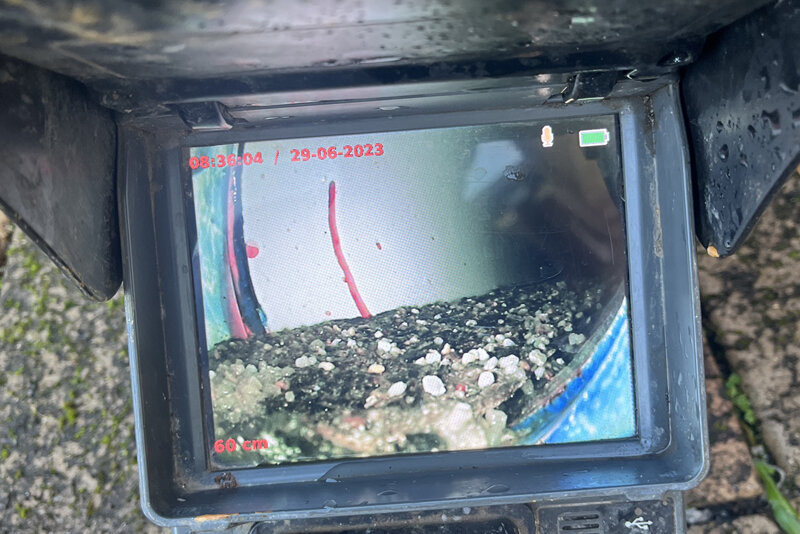
CCTV drain inspections offer several advantages when diagnosing plumbing problems and assessing the condition of underground drainage systems.
By providing a direct view inside accessible pipes, this technology helps plumbers identify issues more accurately and recommend suitable solutions.
Accurate Identification of Drainage Problems
CCTV inspections allow plumbers to visually examine the inside of drainage pipes and identify the location of obstructions or structural defects.
This can help distinguish between blockages caused by foreign objects, tree root intrusion, pipe damage or collapsed sections.
Accurate diagnosis is particularly important when drainage problems repeatedly return after cleaning.
Cost-Effective and Time-Saving Investigations
CCTV inspections can reduce the need for unnecessary exploratory excavation when locating underground drainage problems.
By identifying the approximate location and nature of a defect, plumbers can make more informed decisions about the work required.
Although inspection costs vary, accurately diagnosing a problem may help avoid repeated temporary repairs and unnecessary disruption.
Preventive Drainage Maintenance
CCTV inspections can help identify developing drainage problems, including root intrusion, deteriorating pipework and accumulated debris.
Detecting these issues early may allow homeowners to arrange appropriate maintenance before a more serious blockage develops.
However, not every property requires routine camera inspections. The appropriate frequency depends on the condition of the drainage system and any history of recurring problems.
Learn more about how often you should schedule a CCTV drain inspection.
Comprehensive Inspection Documentation
Where footage is recorded, CCTV inspections can provide a visual record of the internal condition of drainage pipes.
This documentation may be useful when planning repairs, monitoring known defects or comparing pipe conditions during future inspections.
Non-Invasive Drainage Investigations
One of the main benefits of CCTV technology is that inspections can often be carried out through existing drainage access points.
This reduces the need to disturb gardens, driveways or other areas simply to investigate the condition of underground pipes.
While excavation may still be necessary for certain repairs, CCTV inspections can help identify where work is required.
Common Issues Detected by CCTV Drain Inspections
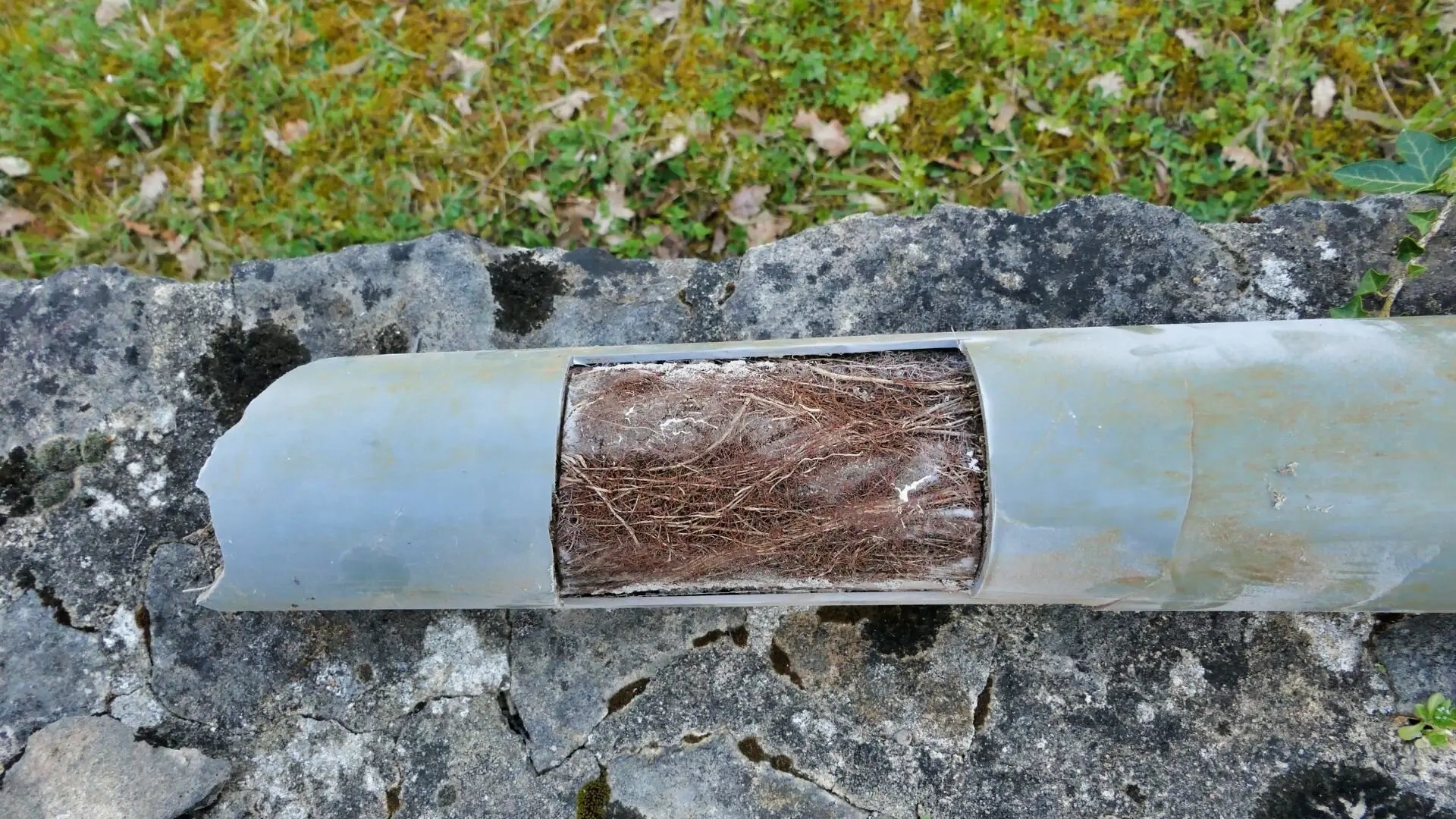
CCTV inspections are particularly useful for identifying drainage problems that cannot be easily diagnosed from above ground.
From minor obstructions to significant structural defects, camera footage provides valuable information about the condition of underground pipes.
Tree Root Intrusion
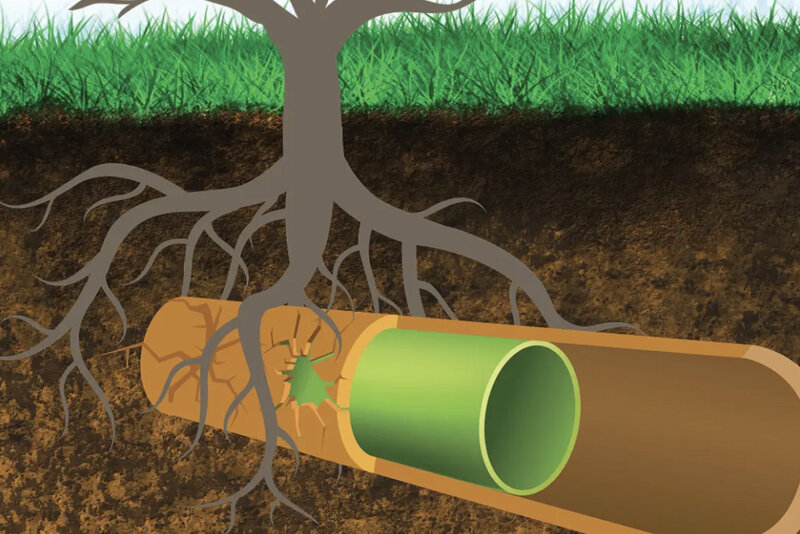
Tree roots can enter drainage pipes through cracks, damaged joints or other openings.
Once inside, roots may continue growing, trapping debris and restricting wastewater flow.
A CCTV inspection can identify visible root intrusion and help determine whether the pipework has sustained damage.
Learn more about how tree roots affect stormwater drains.
Pipe Corrosion
Older metal drainage pipes may deteriorate over time due to corrosion and general wear.
This can affect the internal condition of the pipework and potentially contribute to drainage problems.
CCTV inspections may reveal visible corrosion, surface deterioration and other signs that further assessment is required.
Misaligned Pipe Joints
Ground movement, ageing materials and installation issues can cause drainage pipe joints to become displaced.
Misaligned joints may interrupt water flow, trap debris or create openings where tree roots can enter.
CCTV footage allows plumbers to identify visible joint displacement and assess whether it is contributing to blockages.
Collapsed Drainage Pipes
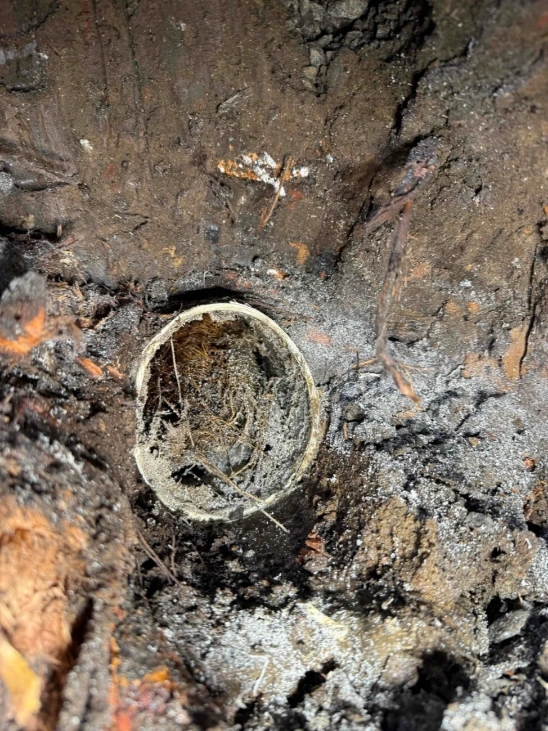
Collapsed pipes can severely restrict or completely prevent wastewater from flowing through a drainage system.
A CCTV camera may identify the damaged section or help locate where the pipe becomes impassable.
Depending on the severity of the collapse, further investigation or pipe replacement may be necessary.
Blockages Caused by Debris
Grease, food waste, sediment and foreign objects can accumulate inside drainage pipes.
Over time, these materials may restrict water flow and contribute to recurring blockages.
A CCTV inspection helps identify the location and visible nature of an obstruction, allowing plumbers to recommend suitable cleaning methods.
For more information, read our guide to the impact of foreign objects on drainage.
Cracked or Broken Pipes
Underground drainage pipes may develop cracks due to ground movement, external pressure or deterioration.
These openings can allow tree roots and surrounding material to enter the drainage system.
A CCTV pipe inspection can identify visible cracks and help determine whether repairs are required.
For a more detailed explanation, explore the common issues detected by CCTV drain inspections.
When Should You Consider a CCTV Drain Inspection?
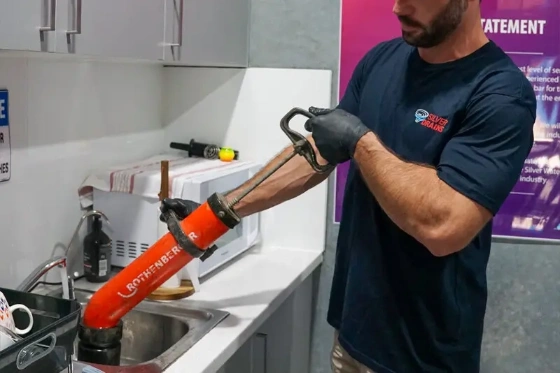
Not every blocked drain requires a camera inspection. However, recurring drainage problems can sometimes indicate an underlying issue that standard drain clearing methods won't permanently resolve.
A CCTV inspection may be worthwhile if you're experiencing:
-
Recurring blocked drains: The same drain continues blocking despite previous cleaning.
-
Multiple slow-draining fixtures: Several sinks, showers or toilets are draining more slowly than usual.
-
Persistent drain odours: Unpleasant smells continue even after basic cleaning.
-
Gurgling drains: Unusual sounds may indicate restricted drainage or ventilation issues.
-
Suspected tree root intrusion: Nearby trees or previous root blockages suggest underground pipe problems.
-
Unexplained drainage issues: Previous plumbing work hasn't identified or resolved the cause.
Did you know? Repeatedly clearing a blocked drain may only provide temporary relief if the underlying problem is a cracked pipe, displaced joint or tree root intrusion.
A CCTV drain inspection can help determine whether the issue requires cleaning, repair or further investigation.
For more guidance, read our article on the signs you need a CCTV drain inspection.
Drain Keeps Blocking?
If you're experiencing recurring drainage problems, Silver Drains can help investigate the cause. Call 1300 302 195 or enquire about our CCTV drain inspection services on the Central Coast.
What Happens After a CCTV Drain Inspection?
Once the inspection is complete, the next step depends on what the camera reveals.
Not every drainage problem requires major repairs. In some cases, the inspection may identify a straightforward blockage that can be cleared through professional drain cleaning.
However, more significant defects may require additional work.
Professional Drain Cleaning
If the camera identifies accumulated debris, grease or other obstructions, professional drain cleaning may be recommended.
Clearing the blockage can help restore water flow, although further repairs may be necessary if the obstruction is caused by damaged pipework.
Silver Drains provides blocked drain services to help homeowners resolve drainage problems.
Tree Root Removal
If tree roots have entered the drainage system, the plumber may recommend removing the obstruction and assessing the condition of the affected pipework.
Where roots have entered through damaged joints or cracks, further repairs may be necessary to address the entry point.
Pipe Relining
Pipe relining may be suitable for certain cracked or damaged drainage pipes.
This method involves installing a new lining within an existing pipe to restore its function without extensive excavation, where the pipe's condition allows.
Learn more about how the pipe relining process works.
Pipe Replacement
Severely damaged or collapsed drainage pipes may require replacement when cleaning or relining isn't suitable.
A CCTV inspection can help identify the affected section and assist with planning the necessary repairs.
Choosing the Right CCTV Drain Inspection Service
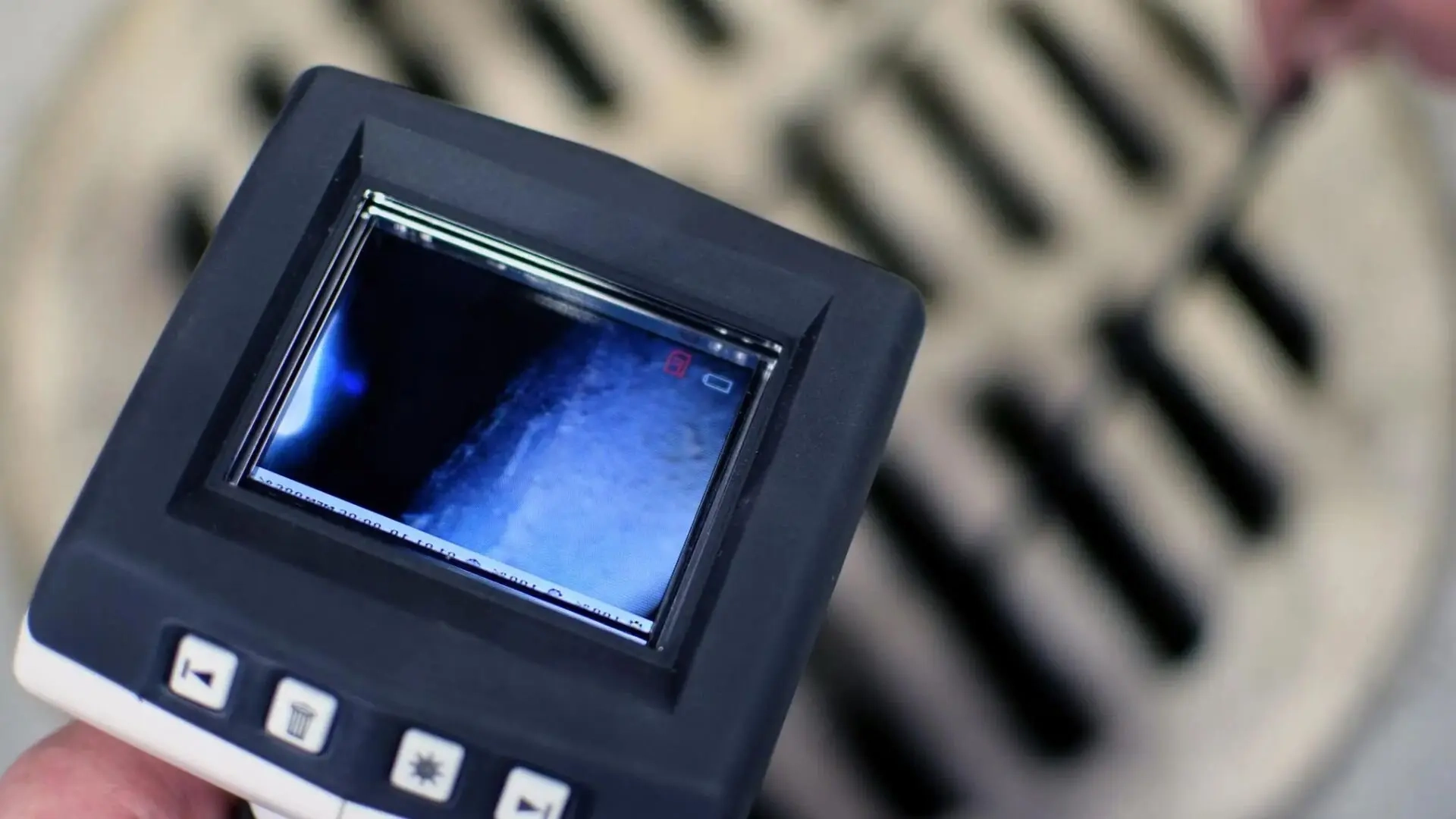
When selecting a CCTV drain inspection provider, it's important to consider their plumbing experience, equipment and ability to explain the inspection findings.
Qualified and Experienced Plumbers
Choose an appropriately licensed plumbing professional with experience diagnosing underground drainage problems.
An experienced plumber can interpret CCTV footage and identify whether an obstruction is caused by debris, structural damage or another underlying issue.
Professional CCTV Inspection Equipment
Quality drain camera equipment should provide clear footage of accessible pipe interiors.
Depending on the inspection requirements, additional equipment may be used to record footage or locate underground defects.
Clear Communication and Recommendations
A reliable plumbing professional should explain what the inspection reveals and outline the available options.
Homeowners should understand whether the issue requires drain cleaning, further investigation or repairs before proceeding with additional work.
Customer Reviews and Local Experience
Customer reviews can provide insight into a plumbing company's reliability, workmanship and communication.
Choosing a plumber familiar with your local area may also be helpful when dealing with recurring drainage problems or older underground pipework.
If you're looking for professional drainage assistance on the Central Coast, Silver Drains can help investigate your concerns and recommend appropriate next steps.
CCTV Drain Inspections on the Central Coast

Recurring blocked drains and unexplained plumbing problems can be difficult to resolve without knowing what's happening inside your pipes.
Silver Drains provides professional CCTV drain inspections across the Central Coast, helping homeowners identify hidden blockages, tree root intrusion and damaged drainage pipes.
By examining accessible underground pipework, a CCTV drain camera inspection can help determine whether professional cleaning, pipe relining or other repairs may be necessary.
Whether you're experiencing recurring sewer blockages, slow-draining fixtures or suspected stormwater drainage problems, our team can help investigate the cause.
Need Help Identifying a Drainage Problem?
Call Silver Drains on 1300 302 195 to discuss your concerns and arrange a professional assessment.
Frequently Asked Questions About CCTV Drain Inspections
How long does a CCTV drain inspection take?
The duration depends on the length, accessibility and condition of the drainage system. Straightforward inspections may be completed relatively quickly, while complex drainage networks or heavily obstructed pipes can require additional time.
Can CCTV drain cameras inspect sewer and stormwater pipes?
Yes. CCTV drain cameras are commonly used to inspect accessible sewer lines, stormwater drains and underground drainage pipes. The equipment allows plumbers to identify visible obstructions, cracks, displaced joints and other defects.
Is a CCTV drain survey the same as a CCTV drain inspection?
The terms are often used interchangeably. Both involve using camera equipment to examine the internal condition of drainage pipes. However, the scope of the inspection and the level of reporting provided may vary depending on the service.
Can CCTV inspections detect tree roots inside pipes?
Yes. CCTV drain inspections can identify visible tree root intrusion within accessible drainage pipes. The footage helps plumbers locate the affected section and assess whether the roots are causing blockages or contributing to pipe damage.
Do all blocked drains require CCTV inspections?
No. Some blocked drains can be cleared without a camera inspection. However, if blockages repeatedly return or the cause isn't clear, CCTV technology may help identify underlying problems that require further attention.
Can CCTV drain inspections identify collapsed pipes?
Yes. CCTV inspections can reveal visible pipe collapses or help locate sections where the camera cannot travel due to structural damage. Further investigation may be necessary to determine the full extent of the problem.
Will a CCTV drain inspection damage my pipes?
CCTV drain inspections are generally non-invasive and use cameras designed to travel through drainage pipes. The plumber will assess the condition and accessibility of the system before proceeding to minimise the risk of damage.
How often should CCTV drainage inspections be carried out?
There isn't a universal inspection schedule for every property. The appropriate frequency depends on factors such as pipe age, previous blockages, suspected tree root intrusion and the overall condition of the drainage system.
Clear Your Drains with Confidence
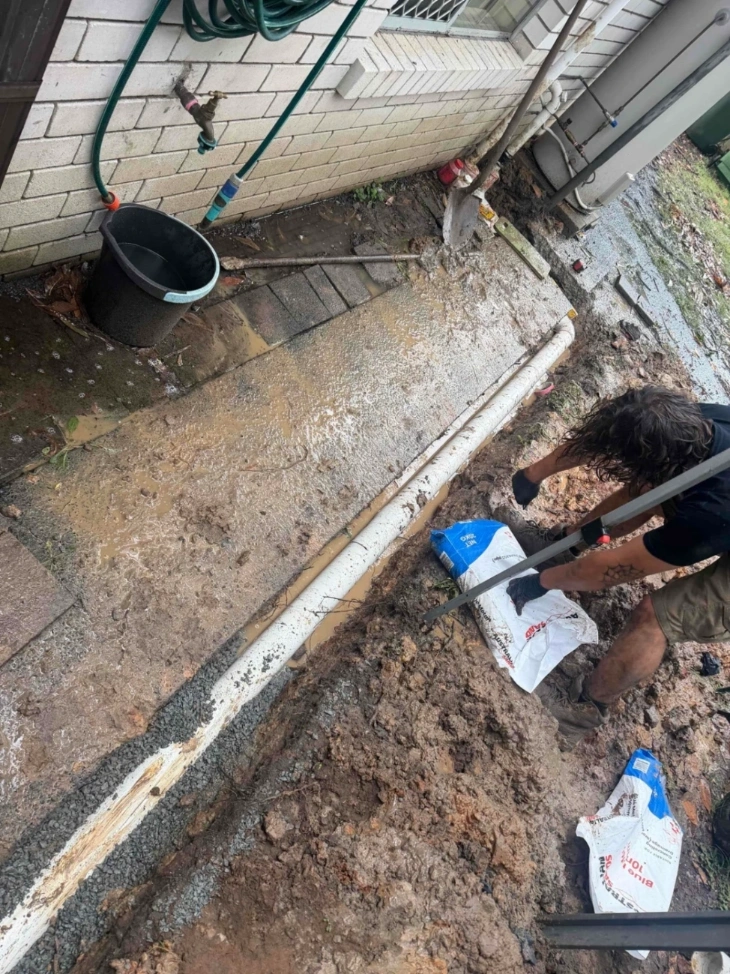
CCTV drain inspections provide an effective way to investigate underground drainage problems and understand the condition of your plumbing system.
From identifying tree root intrusion and recurring blockages to locating cracked or collapsed pipes, CCTV technology helps plumbers diagnose problems and recommend suitable solutions.
If you're dealing with persistent drainage issues, Silver Drains can help you determine whether a camera inspection is the right next step.
Our team provides professional plumbing and drainage services across the Central Coast, including blocked drain clearing, CCTV drain inspections and pipe relining.
Find Out What's Causing Your Drainage Problem
Call 1300 302 195 to speak with Silver Drains about your drainage concerns and arrange an assessment.
Published by: Kamran Khan26 August 2025